Ben Goldberg
Bag_logo_w50Production Records

Discography

Albums
The_whole_tree_gone_cover

The Whole Tree Gone

:: 2010


Here is a fantastic group led by my friend and colleague (and one of my heroes) Myra Melford.  Myra is simply one of the great pianists of our time, whose writing and playing are a consistent source of delight and amazement, bringing together vast areas of knowledge, learning, wisdom, and spontaneous bone-chilling musical perfection.  We recorded the album in New Haven at the Firehouse 12 studio in December 2008.  

The group is: Myra Melford, piano & harmonium; Cuong Vu, trumpet; Ben Goldberg, clarinet; Brandon Ross, guitars; Stomu Takeishi, bass; Matt Wilson, drums.

In January 2010 there will be several West Coast dates celebrating the release of this record (see Calendar).

"Myra Melford is at once a dancer, a romantic and a savage suckerpuncher at the bench . . . beating all hell out of the piano and making it beautiful." 
Coda Magazine


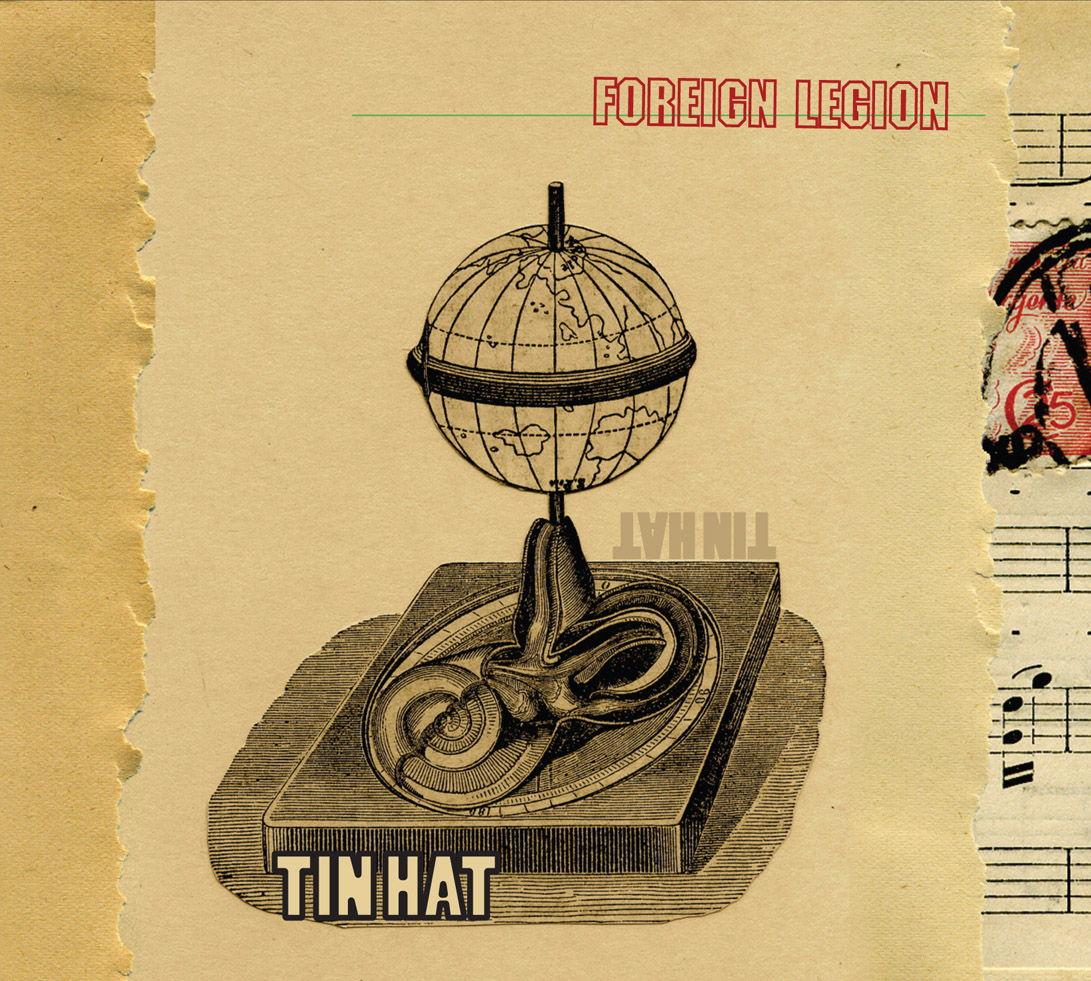
Foreign_legion_cover

Foreign Legion

:: 2010


“Modern melancholy, modern jubilation, modern swagger and modern volatility – for the last few years Tin Hat has reminded us that things aren’t exactly as they used to be.”

-- downbeat 


Tin Hat is now a quartet (Mark Orton, Carla Kihlstedt, Ara Anderson, Ben Goldberg) but of course most people first encountered the group when they were Tin Hat Trio (Mark, Carla, and Rob Burger).  

I actually played on the very first Tin Hat Trio concert ever!  Rob, Mark and Carla had me as a guest at the Hotel Utah in San Francisco.  I don’t even want to guess what year it was.  From the very first I could hear a beautiful open-minded approach.  At the time, a lot of musicians were enjoying playing with people from other musical worlds – “free improvisers” playing with “jazz” musicians, etc.  When Tin Hat Trio came along, they had everything in their bag – grooves, beautiful melodies, all kinds of harmonic motion, “free” playing, etc. – and you could hear that for them it was all music.  They did not feel the need to identify with a particular camp.  So that was very refreshing.  When Rob left the group I was very happy to be invited by Mark and Carla to join. It was exactly the right time for me, and it’s been a ball ever since.  For a while, Zeena Parkins was the fourth member, then later Ara joined us. I have learned so much about music from playing with these guys, it has completely changed my perspective.

In 2007 we made The Sad Machinery of Spring.  We were meticulous in the studio to create just the right sound -- a hallmark of Tin Hat records.  But there is another side to the group: unbelievable live performances.  When you're on tour things loosen up night after night, anything can happen, and then it's gone forever -- unless you are lucky enough to have recorded it, which brings us to Foreign Legion. We had recordings from gigs all over the place, and when we listened to them we found a couple of gems: the Freight and Salvage Coffeehouse in Berkeley and a festival on the island of Mallorca.  

Mark did the mix at his studio in Portland so he probably spent the most time with these tapes.  Here is what he says:

Foreign Legion includes material from the entire history of Tin Hat, from the title track -- one of the first things we ever played as a group -- to new songs that have never appeared on record.  Berkeley’s Freight and Salvage Coffeehouse has always been one of our favorite venues -- we consider it our home town club, and I think you can hear something special in the lovely performances recorded there.  The other half of the disc comes from a concert in Mallorca -- a really fun show in a far-flung corner of the world.  They put on a great festival there, we had been well fed and provided for, and we were lucky to have it recorded. Even though our other records reflect our interest in sounds you can only get in a studio, listeners know that Tin Hat has always been about live performance -- the kind of group improvisations and chances you take in front of an audience -- so I'd say the live record has been a long time coming, and I couldn't be happier with the results.

Foreign Legion will be released in February 2010.


Cry_want_cover

Cry, Want

:: 2009

Cry, Want is the second record by Clarinet Thing -- our first as a quartet.  Clarinet Thing was founded twenty years ago by Beth Custer when she wrote a letter (typewritten -- this was before email!) to several of her fellow clarinetists suggesting that we start a band.  The group now consists of Beth, Harvey Wainapel, Sheldon Brown, and myself, playing almost the entire range of clarinets, from Eb sopranino to Eb contra alto. Cry, Want is named after a piece by Jimmy Giuffre, and features a suite (by Giuffre and Carla Bley) that were part of his trio's repertoire in the 1960's, along with originals by Sheldon, Beth, and myself, a lovely Guadaloupean piece and Sheldon's monstrous arrangement of Herbie Nichols' great 2300 Skidoo, replete with Herbie's piano solo played by four clarinets!  Jeff Cressman did the fine natural-sounding recording and mix.  You can buy a copy of the record from BC Records, or CD Baby.

Go_home_cover

Go Home

:: 2009

Here is the first record on my new label, BAG Production Records (BAG 001). 
The band is Go Home: 

Charlie Hunter, seven string guitar

Scott Amendola, drums

Ron Miles, cornet and G Trumpet

Ben Goldberg, clarinet

Charlie, Scott, and I had been talking for a few years about recording together, and saw an opportunity when Scott and I would be at the Jazz Standard in New York for a week in April, 2008.  Ron Miles was in town with Bill Frisell, and he joined us for two days at the Bunker studio in Williamsburg.  I provided the tunes and a lovely time was had by all. Later, when I was thinking about it, the name Go Home came to me because the sound of the group is so direct and honest that for me it goes back to when I was little and music hit me so hard.  Also, in Get Back on Let It Be, which I listened to a lot back then, I believe Paul says "go home."

This CD combines the studio session with some tracks from a live recording made by Jeff Cressman at the Throckmorton Theatre in Mill Valley, California in the fall of 2008.  I think the cd captures the unique spirit of the group, with inspired performances, unstoppable grooves, and a beautiful sound throughout, thanks to Mark Orton's mix and mastering by Jon Cohrs of Spleenless Mastering.

Molly Barker took the photograph on the cover and Lynda Nakashima designed the package to create a lovely debut for BAG Production Records.

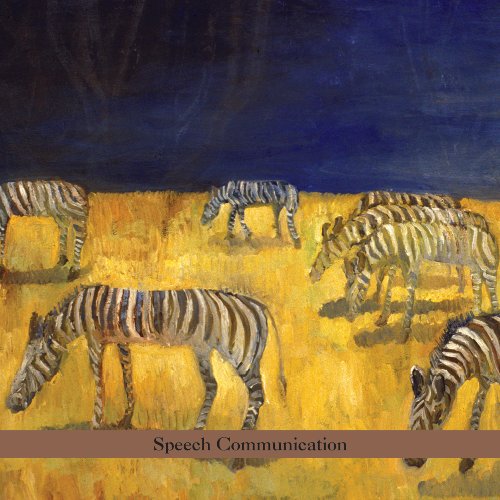
Speech_communication_cover

Speech Communication

:: 2009

A trio record with Greg Cohen on bass and Kenny Wollesen on drums.  Commissioned by John Zorn for the Radical Jewish Culture series on Tzadik.  Recorded in Spring of 2009 when Greg and Kenny were in San Francisco for a Masada week at Yoshi's.  The sessions were relaxed -- Greg provided his usual good humor as well as the unstoppable force that is his musicianship.  A pleasure as always working with Kenny. 

The record is dedicated to two departed friends: Ron Stallings (1946 – 2009), and my father Alvin Goldberg (1931 - 2009).  From the liner notes:

Speech Communication is the name of the academic discipline to which my father, Alvin Goldberg, devoted his intellectual and professional life. Other than paying for clarinet lessons, my father’s contribution to my musical education consists of a black Manhasset music stand that he obligingly brought home from the office one day when I was in junior high school and which I still have. As I played etudes and scales I would be reminded of where the music stand came from by the word SPEECH, which someone had painted in white letters across the bottom. Over the years this began to seem less a reminder of petty theft and more an exhortation of what we are called upon to do when making music. SPEECH! And, of course, communication.

Sad_machinery_cover

The Sad Machinery Of Spring

:: 2007

This is the first record by Tin Hat (Mark Orton, Carla Kihlstedt, Ara Anderson, and myself) since I became a member of the group in 2003.  We based the music on our readings and discussions concerning the work of Bruno Schulz.  One thing I enjoy about Tin Hat is the opportunity to play a lot of Contra Alto Clarinet -- the group has given me a chance to get better on this unusual instrument and see what it can do.   Everyone wrote music for the record and the material is quite strong, plus a gorgeous sound thanks to Mark Orton. 

New_monastery_cover

New Monastery

:: 2006


I used to hear Nels play in Los Angeles when we would go there in the 1980s and I always heard something going on.  I knew I wanted to play music with him.  We first worked together in 2003 when The Nels Cline Singers (Nels, Scott and Devin) (hey, that’s 2/3 of Plays Monk!) invited me to play a solo set at one of their concerts, and also to sit in with them on some songs.  What an honor.  I was nervous about the solo set but it went fine.  I played some of my own songs plus a lovely song by Steve Lacy that I learned for the occasion called Hallmark, from the record Hocus Pocus.  We had a good time playing together and later when Nels got the Andrew Hill project together he asked me to be part of it. 


The music of Andrew Hill has been extremely important to so many of us.  Graham Connah and I studied and played some of it when we were younger – I think at one point we knew all the songs on Black Fire and most of Point of Departure, as well as the material from the record with John Gilmore.  In 1992 I had a grant to put on concerts of music by different composers and when I asked Graham to play in a concert of Andrew’s music he said why don’t I just invite Andrew instead, so I did.  Andrew came down from Portland and we rehearsed for a few days and played two concerts, with Donald Bailey and John Wiitala.  I think Andrew was pleased that someone wanted to play his older repertoire – he said all the charts had been lost in a fire long ago so in the tricky spots we were recreating it as best we could.  The funny thing is that in that concert series another gentleman who joined me in a concert of his own compositions was Bobby Bradford, who I have been absolutely crazy about for as long as I can remember, and who also plays on New Monastery


Nels loves Andrew’s music so much and he took just the right approach, making something new in reference to the material.  When we made the record there was so much love, we had heard Andrew was not doing so well.  We had a chance to play at the SF Jazz Festival on a concert with Andrew’s group, and he was warm and kind as always, though quite ill.  The music that he played that night was about the most beautiful thing I ever heard.  Then in April 2007 Nels’ group had a date at the Jazz Standard in New York and Andrew played what turned out to be his last concert that afternoon.  A tremendous loss, and a tremendous gift that he brought us.  

The_door_the_hat_cover

the door, the hat, the chair, the fact

:: 2006

From the liner notes:

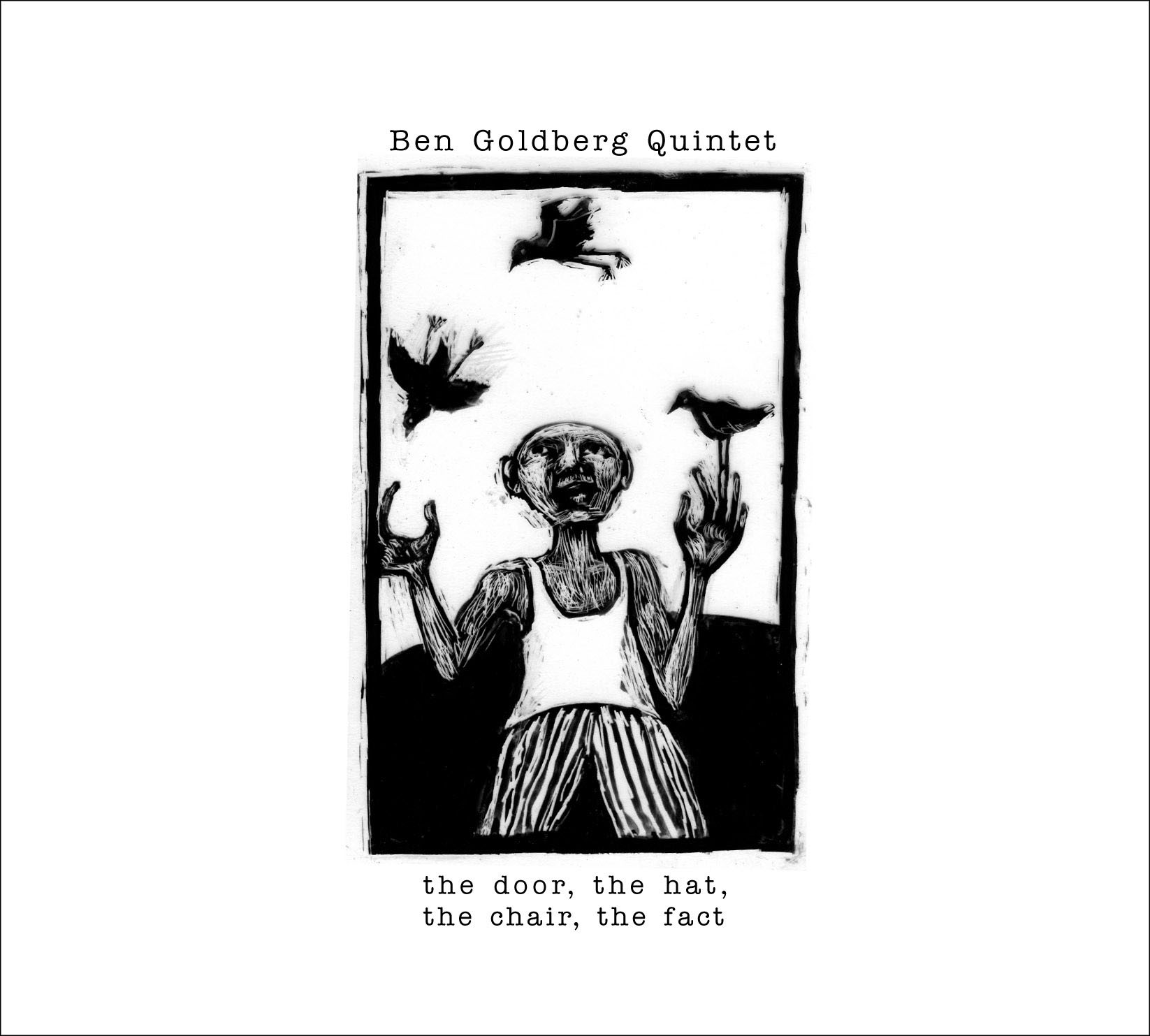
This music is for Steve Lacy.  It was written in 2004 after I learned that Steve had cancer.  I was thinking and thinking about him and I wished there was something I could do so I wrote down all the music I could and I kept thinking of Steve and hoping for the best.

Once Steve Lacy gave me a lesson, I mean I went over to his house for a lesson, I had already been doing my best to draw a lesson from his work.  It was 1985, for some reason I had been in Paris a lot and when I was there I would go to the Sunset and listen to Steve and politely beg for a lesson.  Finally he relented, maybe so I would stop bothering him and also saying, “I have a soft spot for clarinetists.” 

I should say that back then I had a hero and it was Steve Lacy.  I mean the kind of hero where you wish you could do what they do.  This was mostly based on the evidence of “Evidence,” a record he made in 1961 with Don Cherry.  I had to listen to that record about four times a day, and though I was in the dark I memorized Steve Lacy’s solos and tried to figure out what he was doing.  The note that lifts all other notes up into the world. Punctuation. The line that’s backwards and forwards and the pop of logic more logical than logic.

At the lesson Steve said he wasn’t really a teacher so maybe we could treat this like a visit to the doctor: play a duet and based on that diagnosis he would prescribe something.  Evidently the fundamentals needed vitality.  Steve said you had to know the difference between materials and material and suggested two lines of inquiry concerning materials.  These were exercises for uncovering the basic elements.

He talked matter of factly about the invisible, and I caught a glimpse of what an artist does.  He said, “If you stay in the dark long enough, eventually you’ll see the light.”  He gave me a copy of “Hocus Pocus” and a book of rhythm by Kenny Clarke and I was so happy I wrote a poem and worked on those exercises for ten years.  The exercises were strong medicine – the first time I played them I got dizzy and almost fainted.

In 1992 I was preparing a concert of Steve’s music and he sent me a fax of “Blinks.”  There was a note at the top, and when I started writing this music the note became a song: “Dear Ben, been out of town.  Probably too late but here’s Blinks anyway.  I am hardly here these days.”  Blinks is my favorite Steve Lacy song, it gets the up and down just right, plus the poem was on it so a few of the pieces here are based on “Blinks.”

I had booked the studio for June 7th; Steve passed away June 4th.  I was so sad, a lot of people were calling each other up.  We had a rehearsal and then went and made the record.  It was a sad time.  The title comes from a poem by Robert Creeley.  Steve Lacy wrote a song called The Door and once he sent me a postcard signed “Chapeau.”  Kenny Clarke sat on a chair.  In honor of the durability of Steve’s music I once made up an exercise called Pursuit of Facts.

Pursuit of Facts.  A fax arrived, with a poem on it.  I am hardly here these days.

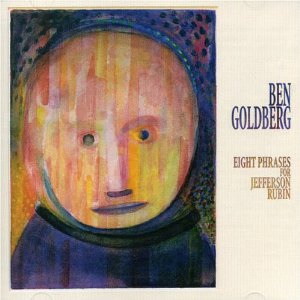
Eight_phrases_cover

Eight Phrases for Jefferson Rubin

:: 2004

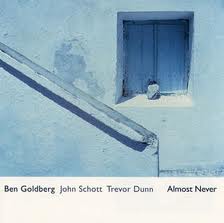
Almost_never_cover

Almost Never

:: 2000

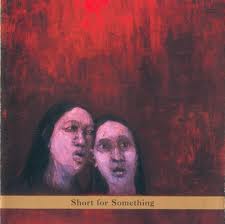
Short_for_something_cover

Short for Something

:: 2000

The third record by New Klezmer Trio.  We had not been touring at this point, so this was a matter of going into the studio, learning the songs, and hitting.  I like the "first take" feel of the record.  Although on one song (The Because Of) we didn't achieve that first take feel until the second take!

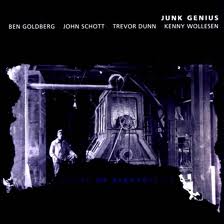
Ghost_of_electricity_cover

Ghost of Electricity

:: 1999

This is the second record by Junk Genius (Ben Goldberg, John Schott, Trevor Dunn, Kenny Wollesen).  John and I had been studying American folk music -- I think the Harry Smith Anthology of American Folk Music had just been reissued and we were listening to that. We wanted to try something with Junk Genius that would get that homemade feel, but with songs that reflected our harmonic and melodic ideas. 

Twelve_minor_cover

Twelve Minor

:: 1998

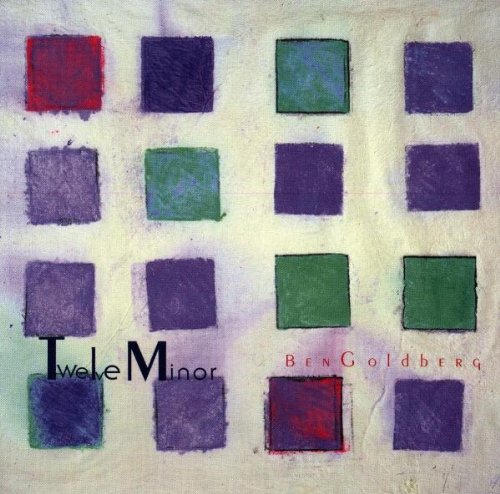
A lovely sextet with Carla Kihlstedt, Miya Masaoka, Rob Sudduth, Trevor Dunn, and Kenny Wollesen.  Released on Avant, so I believe this is a collector's item now. 

Here_by_now_cover

Here By Now

:: 1998

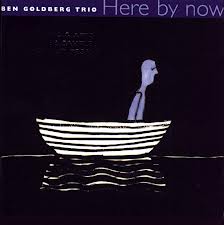
Trevor Dunn on bass and Elliot Humberto Kavee on drums.  We had a trio for a few years and tried a lot of different ideas on how to play the melodies I was writing.  There was one memorable Knitting Factory tour of the East Coast where we had to keep reminding audiences that we were not New Klezmer Trio, and where I learned what a truly unique and brilliant individual Elliot Kavee is.  I think this record captures the essence of what we were doing very well, as does the cover painting by Molly Barker.  Recorded at Annie's Hall in Berkeley by Jeff Cressman. 

What_comes_before_cover

What Comes Before

:: 1998

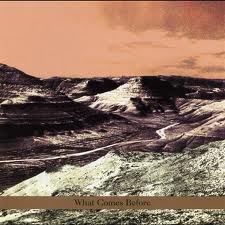
Recorded right after Eight Phrases for Jefferson Rubin, at OTR Studios by Cookie Marenco, who had agreed to reserve several tracks of the 2 inch tape so we could make two records on the same tape. 
John Schott introduced me to the post-serialist notion of combinatorial structures containing a specified number of notes.  We were getting together every week to develop and work on our ideas relating to four-note groups.  We found ways to transform structures and create a kind of spontaneous architecture for an improvisation.  The timing of this recording was just right -- it captures the actual work, rather than a "performance."  We sent a copy to John Zorn, who liked it and wanted it for Tzadik.  I am very glad this is still available.

Junk_genius_cover

Junk Genius

:: 1995

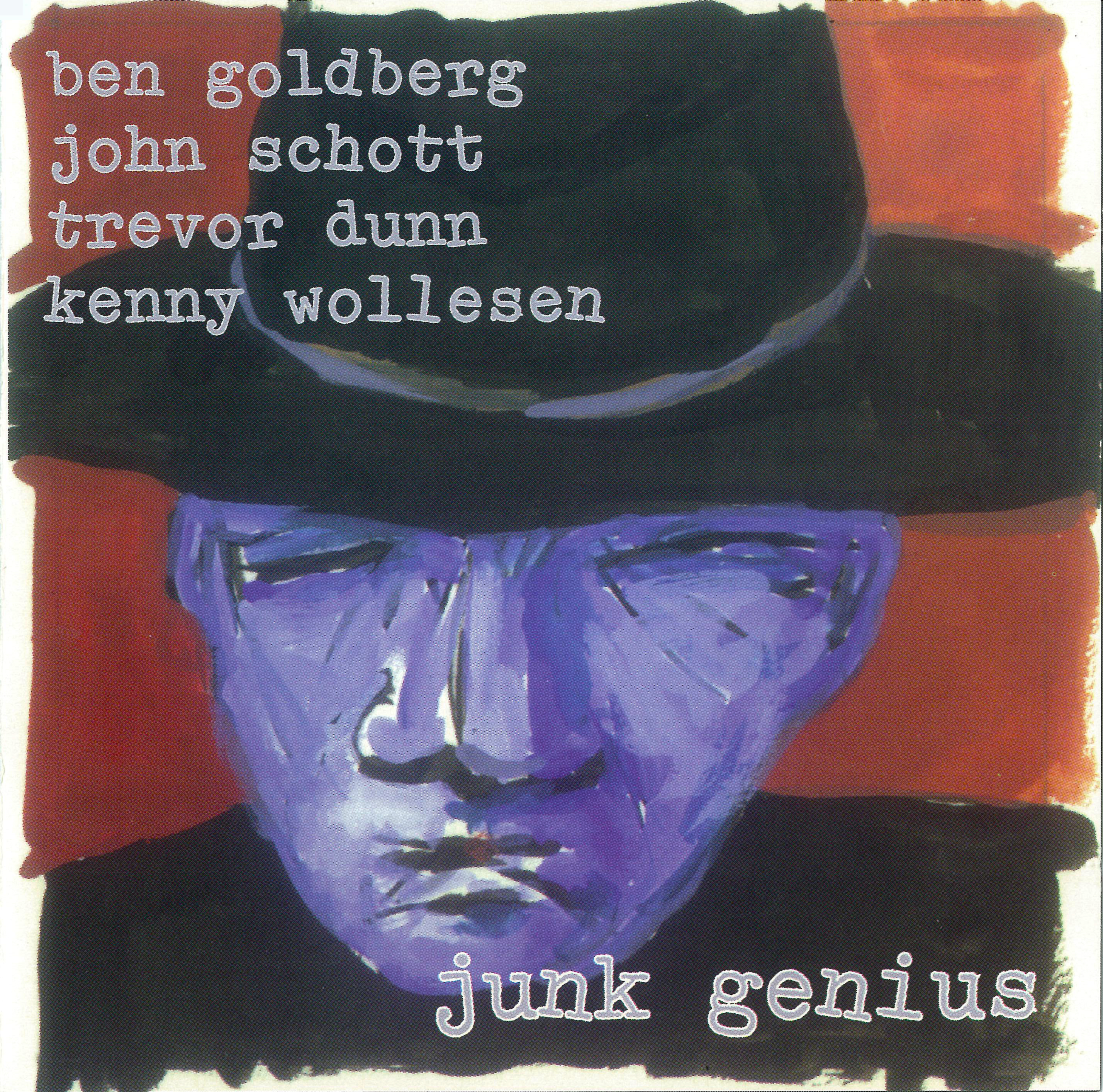
In 1993 John Schott and I began practicing the music of Bud Powell, Charlie Parker and Dizzy Gillespie -- music of the "bebop" era.  We soon found the songs transformed through elongation, repetition, dwelling, thickening the melody, and other approaches. We got together with Trevor Dunn and Kenny Wollesen to make this record. I think Molly captured the state of affairs pretty well with the cover painting, although Steve Lacy wrote to me: "I do NOT like the title."

Later, on tour with this group, we worked with the concept, inspired by Anthony Braxton, that in performance an entire repertoire can be present all at once, leading to a collage effect or the layering of one song simultaneously on top of another.  With Scott Amendola on drums, we performed as Snorkel.  There is a live cd of that group.

Melt_zonk_rewire_cover

Melt Zonk Rewire

:: 1995

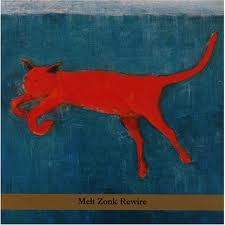
The second record by New Klezmer Trio.  This was recorded right after a long European tour where we got all the repertoire together, so it is very much the sound of a working group.  Don't miss the "Fender Reverb Clarinet" on Gas Nine (created by engineer Tom Carr by removing the Dolby decoding during the mix), and the famous Feedback Doina (listen closely for bits of old klezmer recordings behind the chaos).  The title is an anagram of New Klezmer Trio.

Relative_value_of_things_cover

The Relative Value of Things

:: 1993

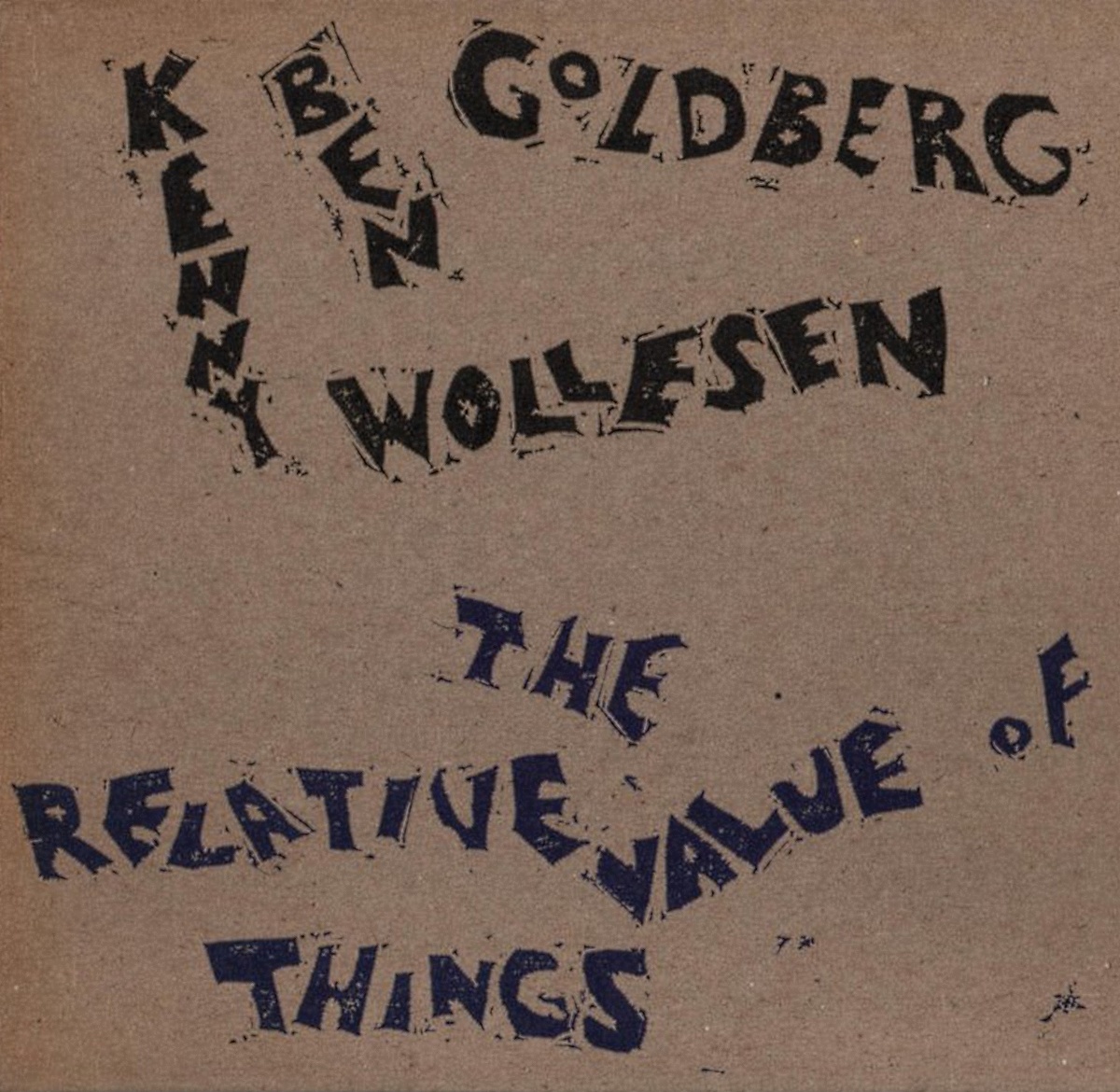
Kenny and I recorded this in my living room with Jeff Cressman at the controls.  I think it at least partly reflects Kenny's beautiful homemade philosophy.  Kenny designed the actual packaging as well as the cover images and it was printed at his mother's printshop.  The title is from Robert Henri's The Art Spirit, a book introduced to me by my brother Adam that had a deep effect on many of us at the time.

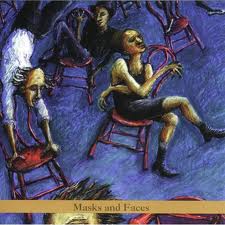
Masks_and_faces_cover

Masks and Faces

:: 1991

The one that started it all. 

Andrew Gilbert in the San Francisco Chronicle wrote that New Klezmer Trio "kicked open the door for radical experiments with Ashkenazi roots music." Cadence Magazine called this cd "great free improvisation" and listed it as one of the ten best recordings of 1992. The cd was initially released by Nine Winds.  When John Zorn heard this record he invited us to his 1992 Artprojekt in Munich where he curated three solid days of "Radical Jewish Culture," including the world premiere of his Kristalnacht.  Needless to say, my mind was blown.  Later, when John founded Tzadik, he made sure to re-issue this record.

About NKT:

I was playing a lot of klezmer music, but getting tired of the search for “authenticity” through note-for-note reconstructions of old recordings.  I met a traditional zurna player from the Caucasus and heard how much this ancient music had in common with, for example, the late work of John Coltrane.  I wondered if I could use klezmer music to explore this connection between the traditional and the "avant-garde." 

One day I got together with Dan Seamans and Kenny Wollesen, with whom I had often played traditional klezmer music.  I suggested we take a familiar tune and cut loose on it to see where it might go.  The result was exhilarating and had a powerful, lasting effect on me.  It was my first taste of music as a transformative, liberating  force.  This group became New Klezmer Trio.  Playing new versions of traditional tunes and my own compositions, we toured between 1990 and 1995 and recorded three cd's.